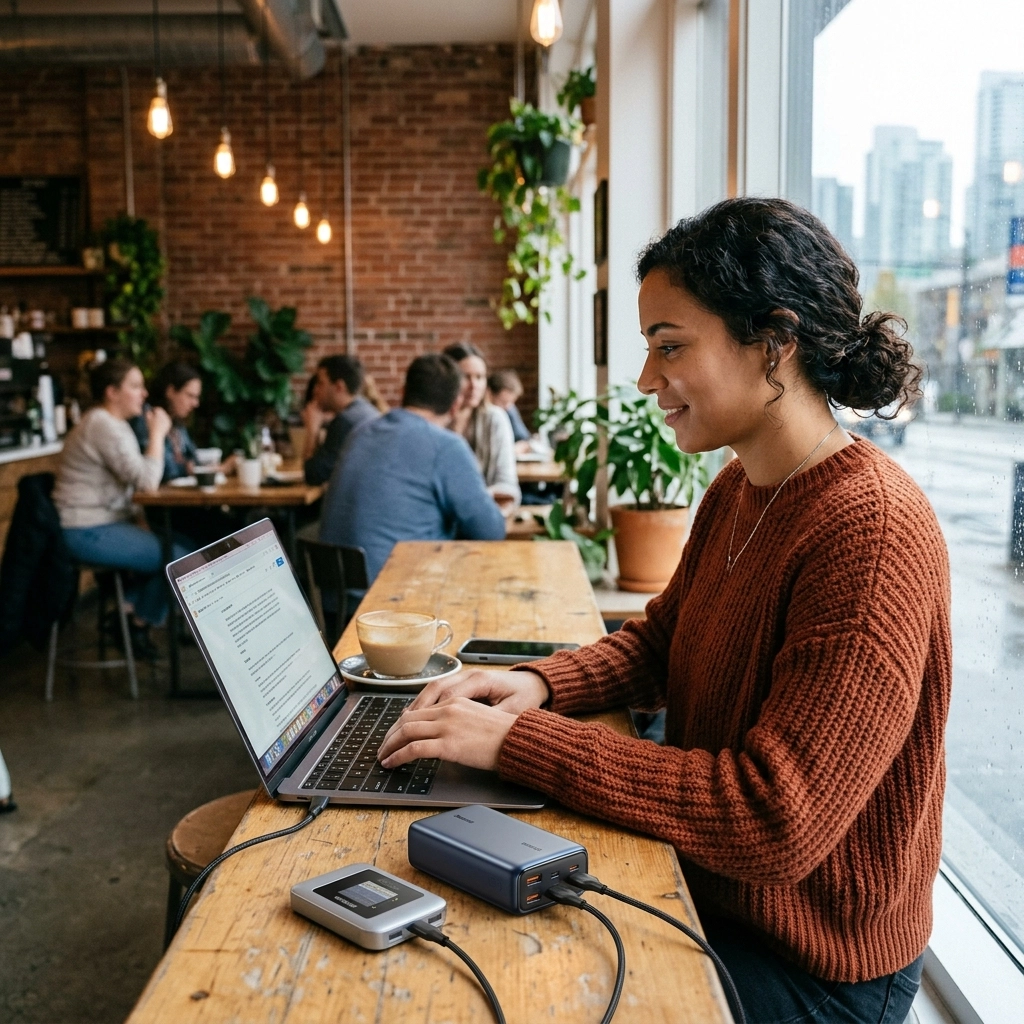
Something's shifting in the digital nomad world, and it's not just your laptop from one coffee shop to another. In 2026, there's a growing movement away from the hustle of Bangkok co-working spaces and London's overpriced flat whites. Nomads are trading skyscrapers for countryside views, and honestly? It's about time.
The data backs this up. Nearly 15 million Americans moved across the country in 2025, with the quieter, less populated spots attracting the highest share of new residents. And this isn't just a US phenomenon, it's happening globally, and the UK is absolutely part of this rural renaissance.
Why Are Digital Nomads Ditching the Big Cities?
Let's be real: city life has lost some of its shine. Sure, the networking events and trendy cafés are great, but when you're paying £1,800 for a shoebox flat in Zone 2 London while working remotely anyway, you start questioning your choices.
The cost factor is massive. About 88% of people making the move cite financial reasons as their primary motivation. When you can rent a gorgeous two-bedroom cottage in the Cotswolds for what you'd pay for a studio in Manchester, the math starts looking very different.

But it's not just about the money (though let's face it, that's a huge part). Remote work has fundamentally changed the game. Survey data shows that 66% of people would consider moving to a rural location if telecommuting were an option. Well, guess what? For most digital nomads, it already is.
The pandemic forced us all to rethink what "work" actually means. Do you really need to be in Shoreditch to write code or design websites? Spoiler alert: you don't. And once people realized this, they started asking bigger questions about where they actually wanted to live.
The Quality of Life Upgrade
Here's where it gets interesting. 76% of movers say they're seeking better access to outdoor lifestyles, and once you experience working with a view of rolling hills instead of concrete walls, there's no going back.
Think about it: cleaner air, less noise pollution, actual greenery you can walk through on your lunch break. You're still hitting your deadlines, but now you can take afternoon walks through meadows instead of dodging buses on Oxford Street.
The sense of community in smaller towns hits differently too. In big cities, you can live next to someone for years and never learn their name. In rural areas and smaller towns, there's an actual community feel. Local pubs know your order, you recognize faces at the farmers market, and people actually say hello.

UK Gems: Leamington Spa and Warwick Lead the Charge
While everyone's been obsessing over Lisbon and Bali, some of the best digital nomad destinations have been hiding in plain sight right here in the UK. Enter Leamington Spa and Warwick, two Midlands towns that perfectly capture this rural shift without sacrificing connectivity or culture.
Leamington Spa has quietly become a laptop-friendly haven. The town offers that perfect balance: green spaces, Victorian architecture, and a thriving café culture, all while maintaining lightning-fast internet speeds. You've got Jephson Gardens for those post-work strolls, and the town center is packed with independent coffee shops that won't give you side-eye for spending hours with your laptop.
The cost of living? Significantly lower than London, but you're still only 90 minutes from the capital by train when you need a city fix. Average rent for a one-bedroom flat hovers around £800-950, compared to London's eye-watering £1,800+.
Warwick, just a stone's throw away, doubles down on the charm factor. Medieval castle? Check. Cozy pubs with proper Wi-Fi? Check. A university town vibe that means decent infrastructure and young energy? Absolutely.
Both towns offer something crucial for digital nomads: reliability without isolation. You're not stuck on a mountain with spotty 3G (looking at you, romantic but impractical remote destinations). You've got solid internet, regular train connections, and communities that have embraced remote workers.

If you're looking for similar vibes in other UK cities, check out our guide to free co-working spaces in Manchester for more laptop-friendly options.
The Internet Factor: Don't Ignore This
Let's address the elephant in the rural room: internet connectivity. This is the make-or-break factor for any digital nomad considering a countryside move. The research shows that 67% of people cite internet connectivity as a deciding factor when considering rural moves, and they're absolutely right to prioritize it.
Before you pack your bags for that charming cottage, do your homework. Check actual speed tests from current residents, not just what the provider claims. Ask in local Facebook groups. Test it yourself if possible during a visit.
The good news? The UK has been investing heavily in rural broadband. Many smaller towns now have fiber-optic connections that rival or even exceed what you'd get in major cities. Leamington Spa and Warwick both benefit from strong infrastructure thanks to their proximity to universities and tech companies.
What You Gain (Beyond the Obvious)
More space for your money. That spare room you've been dreaming of for your home office? Actually achievable in rural areas. Garden for those walking meetings? Sure, why not.
Natural work-life boundaries. In cities, work and life blur together in that same 10-block radius. In rural settings, there's physical space between where you work and where you unwind. It sounds simple, but it makes a massive psychological difference.
Outdoor reset buttons. Had a stressful client call? Go for a walk in actual nature, not a crowded park where you're still surrounded by city energy. The mental health benefits are real and measurable.

Lower cost of living means more travel. This is the big one for nomads. When you're saving £600-800 monthly on rent alone, that's extra money for actual travel, better equipment, or building your emergency fund. Rural living as a base can actually enable more adventure, not less.
Things to Consider Before Making the Leap
Transport links matter. Make sure you're not completely isolated. Towns like Leamington Spa and Warwick work because they have solid train connections. If you need to meet clients or want occasional city access, this is crucial.
Social life takes more effort. You won't stumble into spontaneous networking events or bump into fellow nomads at every corner. You'll need to be more intentional about building community, whether that's joining local clubs, co-working spaces, or online groups.
Weather and seasonal changes hit differently. The British countryside in November is a very different vibe than summer. Make sure you're okay with darker evenings and fewer outdoor options during winter months.
Services and amenities. That 24-hour Tesco Metro won't exist. Late-night food delivery options will be limited. Make sure you're comfortable with the trade-offs.
The Future is Rural (But Connected)
The rural shift isn't a passing trend: it's a fundamental rethinking of where we work and how we live. As remote work solidifies as a permanent fixture rather than a pandemic-era exception, expect to see more digital nomads choosing countryside charm over urban chaos.
Places like Leamington Spa and Warwick are just the beginning. Across the UK and globally, small towns are waking up to the potential of attracting remote workers. They're improving infrastructure, opening co-working spaces, and building communities specifically for this new wave of residents.

For digital nomads, this opens up incredible possibilities. You're no longer limited to the handful of cities with "digital nomad scenes." You can choose based on what actually matters to you: nature access, cost of living, community feel, or specific landscapes you love.
The question isn't whether the rural shift will continue. It's whether you'll be part of it. If you've been feeling burnt out by city life, paying too much for too little, and craving some actual green space, 2026 might just be your year to make the swap.
And who knows? Maybe we'll see you in a Leamington Spa café, laptop out, view of the gardens, wondering why you didn't make this move sooner. The skyscrapers aren't going anywhere. But neither is the countryside: and it's patiently waiting for you to discover what you've been missing.
Ready to explore more remote work-friendly spots? Check out our digital nomad jobs guide to make sure your income can support your rural dreams.